A design process before a paint process
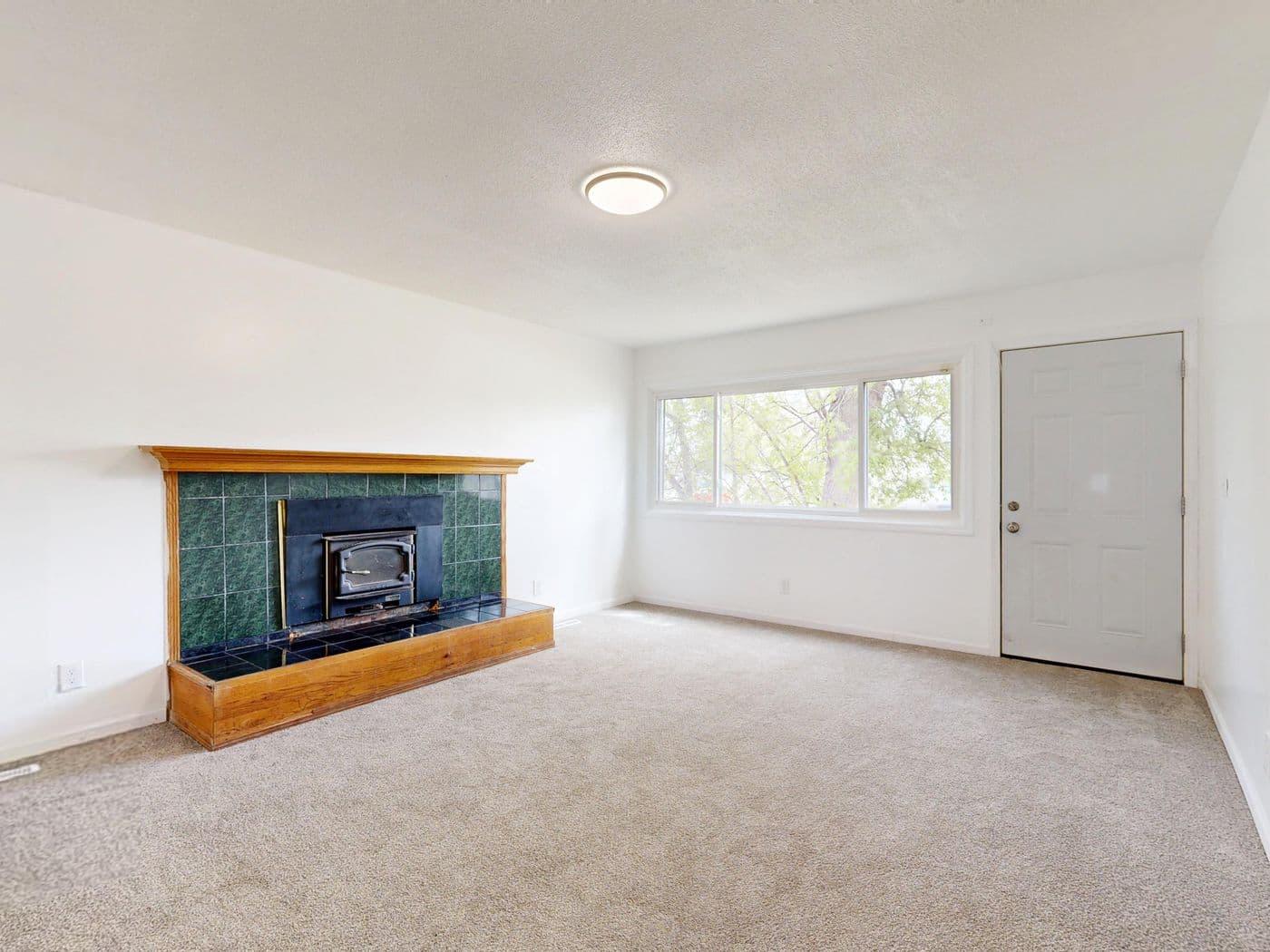
We start with what the wall actually is (its proportions, the light it gets through the day, and what sits opposite it in the room) rather than a picture pulled from the internet and scaled up regardless. Briefs, references and a scaled sketch are agreed before anything goes on the wall, and for anything ambitious we paint a sample panel first so you are approving a technique, not a description of one.
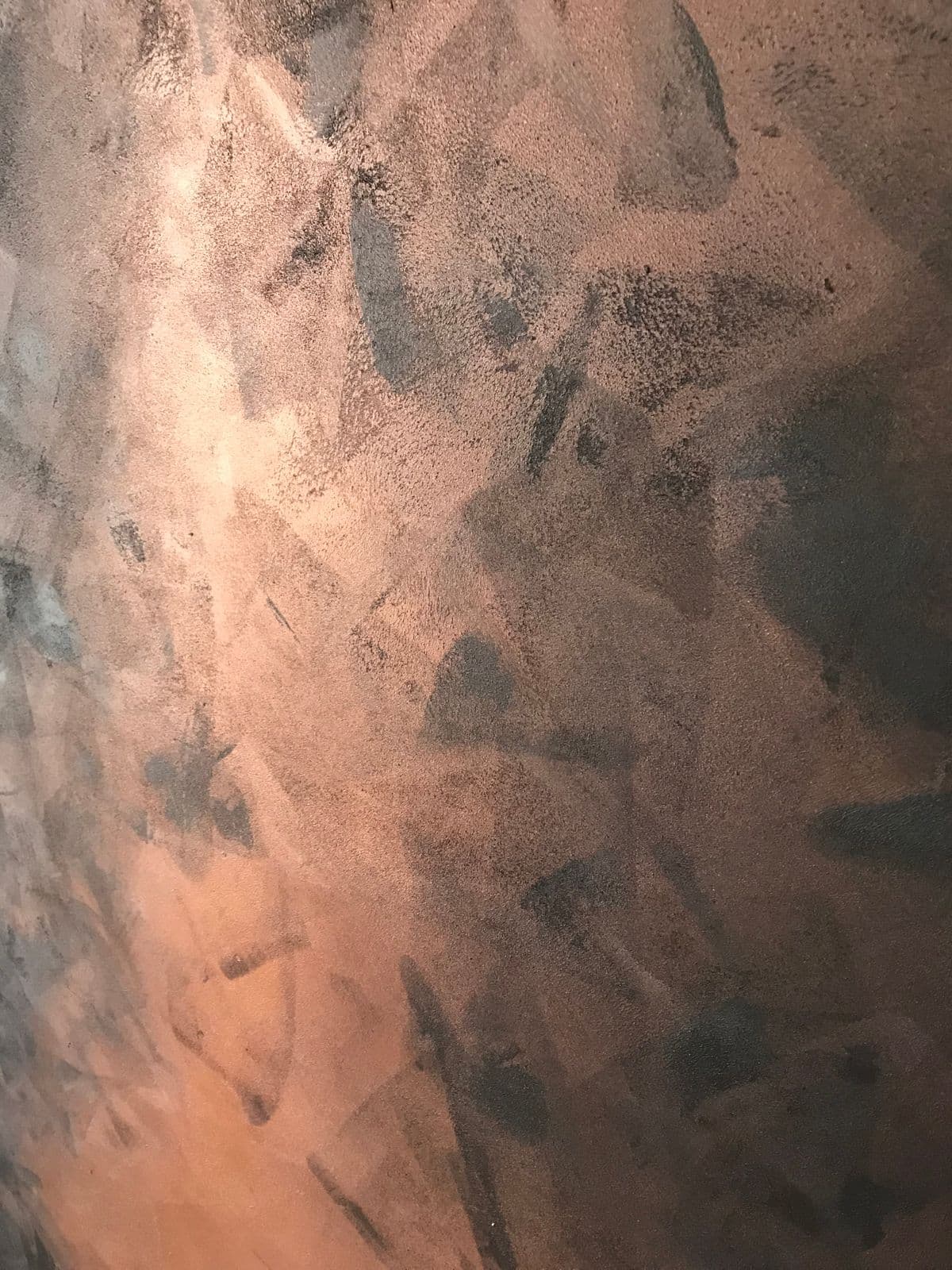
The techniques sit outside standard decorating: hand-painted murals, trompe l'oeil and architectural illusion, Venetian and polished plaster, metallic and mineral finishes, stencilling and colour-blocking, and faux finishes such as marbling or wood graining. Each has its own materials and sequence, and mixing them up is usually what makes a specialist finish look amateur.
Where a feature finish earns its place
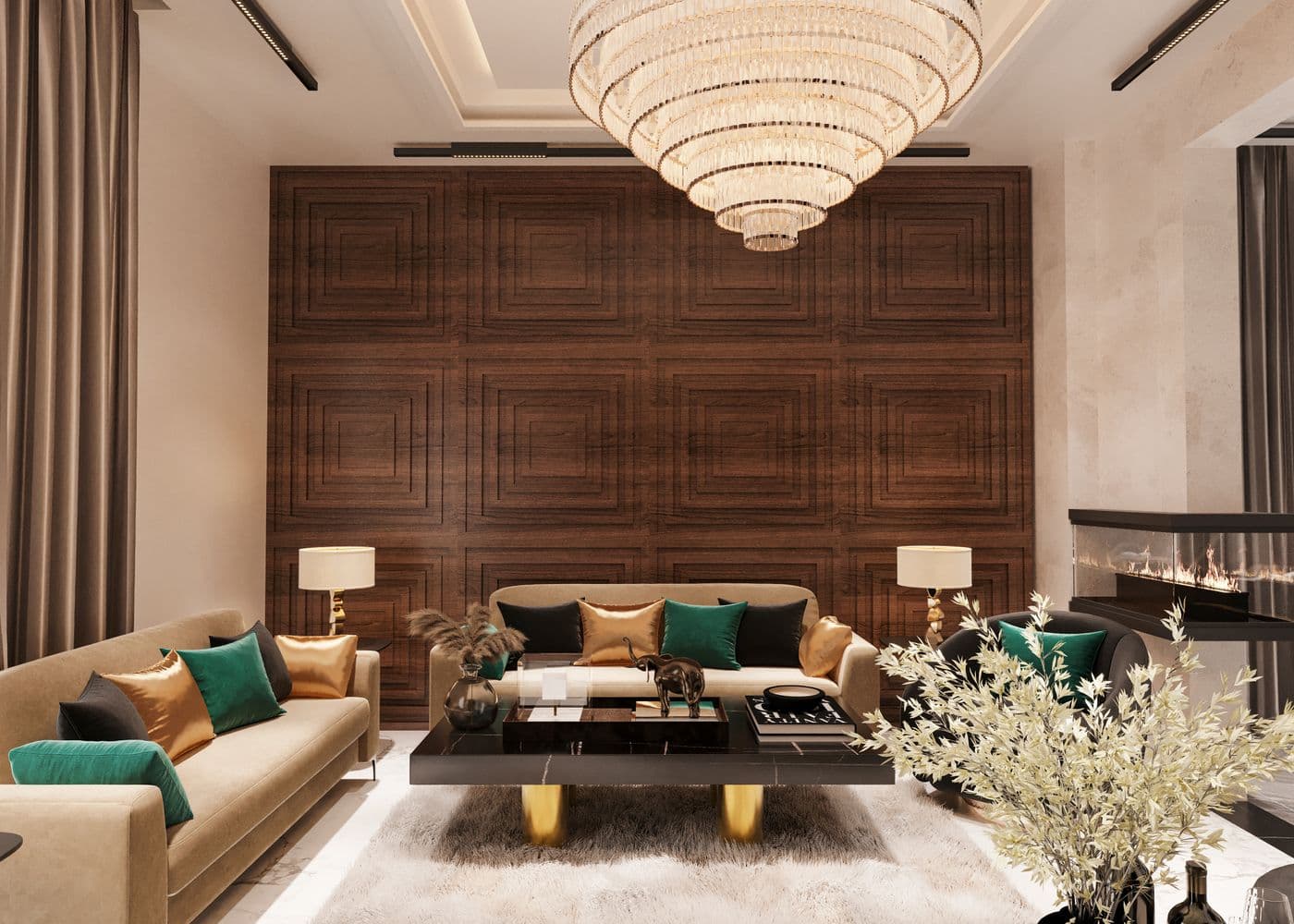
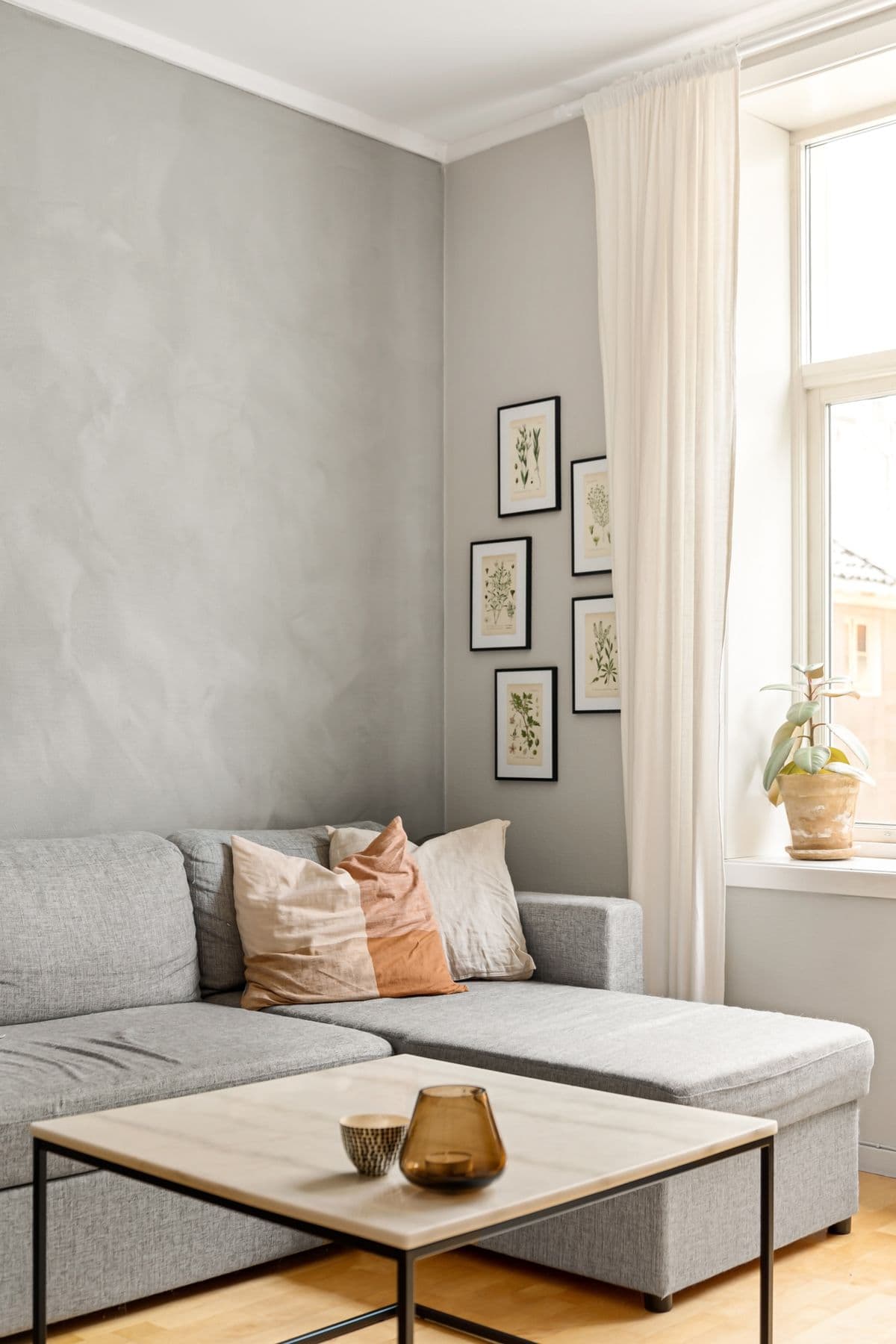
This is deliberately not a whole-house treatment. It works because it is rare in the house: a stairwell, a chimney breast, a run of hallway, the wall behind a bed or a bath. Pick the wrong wall, or try to do three, and the effect that made one wall a feature disappears.
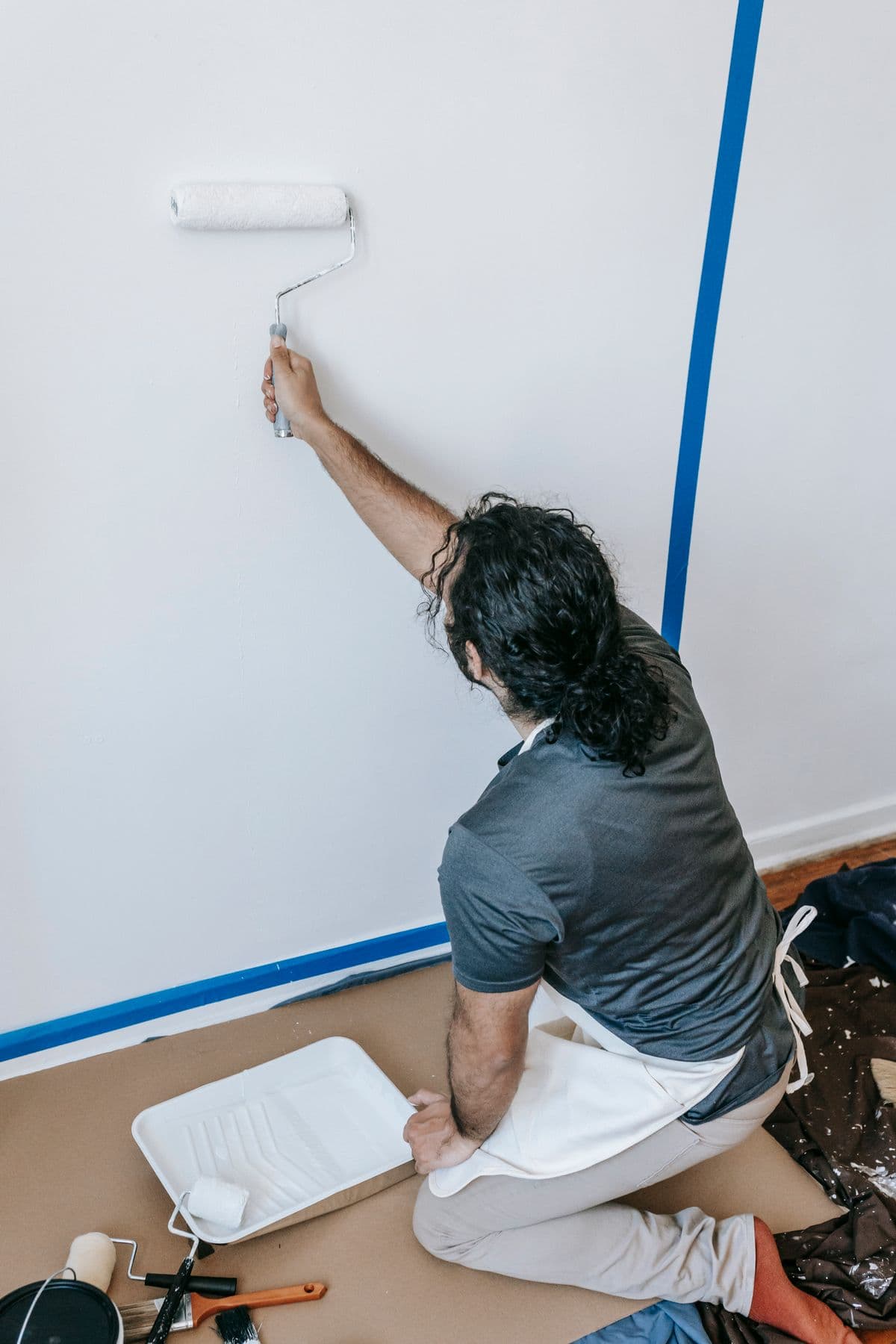
Finished work is sealed appropriately for its location (a mineral finish in a hallway takes knocks differently to a mural in a nursery) and we tell you how to clean and maintain it. Everywhere else in the room is still finished to the same standard as our regular decorating, so the feature wall reads as a decision, not a patch.